 By mrtwinsvlog@gmail.com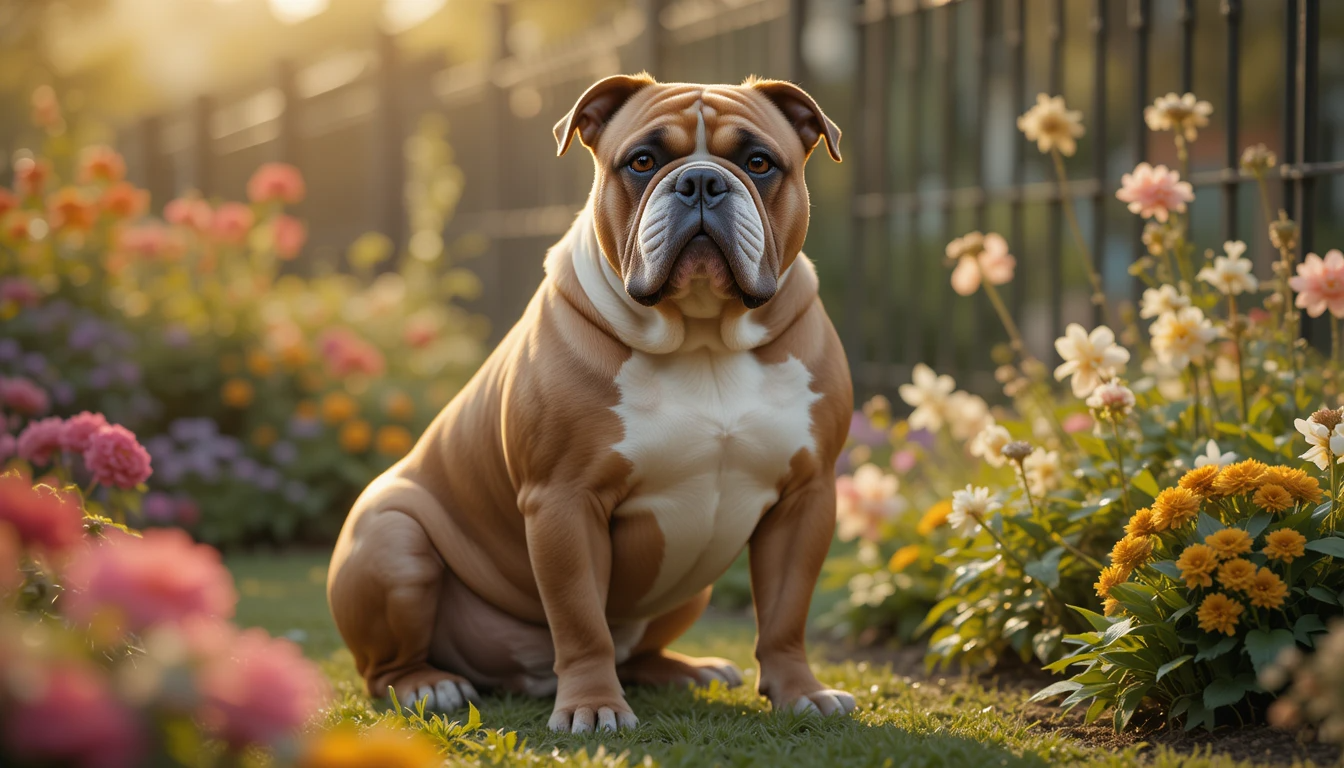
Victorian Bulldog is a charming and robust breed that has gained popularity among dog enthusiasts due to its historical roots and affectionate temperament. Unlike the more commonly known English Bulldog. The Victorian Bulldog was specifically developed to recreate the original bulldog of the Victorian era—strong, athletic, and healthier. This breed was meticulously engineered in the 1980s by breeder Ken Mollett, who aimed to produce a dog. With the old-fashioned bulldog’s build but with improved health and functionality. What sets the Victorian Bulldog apart is not just its looks but its balanced temperament. Making it an ideal companion for families, singles, and the elderly alike. The breed has quickly gained recognition among dog lovers worldwide who admire its blend of nostalgia, loyalty, and resilience.
Physical Characteristics and Appearance
The Victorian Bulldog is a medium to large-sized dog that showcases power, symmetry, and grace. It typically weighs between 55 to 75 pounds and stands about 16 to 19 inches tall at the shoulder. This breed is well-muscled with a wide chest, sturdy legs. And a short, smooth coat that comes in various colors including white, brindle, fawn, and red. Unlike the modern English Bulldog, the Victorian Bulldog has fewer skin folds and a slightly longer muzzle, which significantly reduces the risk of respiratory issues—a common problem in brachycephalic breeds. The head is broad and square, the eyes are round and expressive, and the ears are usually rose-shaped. Its overall appearance gives off an impression of strength, reliability, and classic canine elegance.
Temperament and Personality Traits
One of the most endearing qualities of the Victorian Bulldog is its temperament. This breed is known for being incredibly loyal, affectionate, and protective of its family. Victorian Bulldogs are gentle with children, making them excellent family pets. They enjoy human interaction and thrive on companionship, often forming strong bonds with their owners. Despite their somewhat intimidating look, they are rarely aggressive unless provoked or if their family is threatened. They are also known to be good with other pets when properly socialized from a young age. The Victorian Bulldog is intelligent and eager to please, which makes training relatively easy, especially when positive reinforcement techniques are used. Their calm and balanced nature also means they do not bark excessively, making them suitable for apartment living, provided they get enough exercise.
Health and Longevity
One of the primary reasons for the revival of the Victorian Bulldog was to address the numerous health issues found in the modern English Bulldog. Victorian Bulldogs enjoy a generally better health profile, with fewer breathing problems, hip issues, and skin infections. That said, no breed is entirely free from health concerns. Owners should be aware of potential issues such as hip dysplasia, cherry eye, and certain skin conditions. Regular veterinary checkups, a balanced diet, and routine exercise are crucial in maintaining the health of a Victorian Bulldog. With proper care, they typically live between 12 to 14 years, which is relatively long for a bulldog-type breed. Responsible breeding practices have played a significant role in ensuring that this breed remains healthier and more active than its modern counterparts.
Exercise and Training Needs
Victorian Bulldogs, while not as high-energy as some breeds, still require regular physical activity to maintain their health and prevent obesity. A daily walk combined with some interactive playtime is usually sufficient to meet their exercise needs. These dogs enjoy games such as fetch or tug-of-war and often participate willingly in training sessions. Mentally stimulating activities are also important, as this breed is intelligent and benefits from problem-solving tasks or puzzle toys. Training a Victorian Bulldog is usually a positive experience because they are naturally eager to please and quick learners. However, consistency and patience are key, especially during puppyhood. Socialization from a young age is equally important to ensure they grow into well-adjusted adult dogs. Enrolling them in obedience classes can also be beneficial, both for training and social exposure.
Diet and Nutritional Considerations
Feeding a Victorian Bulldog a high-quality, well-balanced diet is essential to ensure they remain in good health throughout their lives. Like all dogs, their nutritional needs vary depending on their age, activity level, and overall health. Puppies require more calories and specific nutrients to support their rapid growth and development, while adults need a maintenance diet that supports muscle mass and energy levels. It’s important to choose dog food that lists meat as the primary ingredient and contains minimal fillers or artificial additives. Victorian Bulldogs are prone to weight gain if overfed, so portion control is crucial. Owners should also be mindful of feeding schedules and avoid giving too many treats, especially those high in fat. Fresh water should always be available, and any dietary changes should be introduced gradually to prevent digestive upset. Consulting a veterinarian for personalized dietary recommendations is always a good practice.
Grooming and Maintenance
The Victorian Bulldog has a short, smooth coat that is relatively low-maintenance. Weekly brushing with a soft-bristle brush or grooming mitt is usually enough to keep their coat clean and free from loose hair. This also helps in distributing natural oils across the skin, keeping it healthy and shiny. Bathing should be done as needed, depending on the dog’s activity level and lifestyle. Since this breed has fewer facial wrinkles than the English Bulldog, it is less prone to skin infections, but regular cleaning around the eyes, ears, and under the folds is still recommended.
The Ideal Home and Environment
The Victorian Bulldog adapts well to a variety of living environments, including apartments, as long as its exercise needs are met. They enjoy being around their family and are happiest in homes where they are not left alone for extended periods. A home with a yard is ideal, but not necessary if regular walks and playtime are provided. This breed does well in both urban and rural settings and can tolerate different weather conditions better than many bulldog types, though extreme heat should still be avoided. Their moderate activity level means they are not overly demanding, but they do enjoy a routine and structured environment. Because they are people-oriented, they prefer to live indoors with the family rather than being relegated to a backyard. They are not known for being escape artists but should always be supervised in open areas to ensure safety.
Breeding and Pedigree Background
The Victorian Bulldog is a product of careful breeding designed to bring back the health and stature of the 19th-century bulldog. Ken Mollett created the breed using a mix of English Bulldogs, Bull Terriers, Bullmastiffs, and Staffordshire Bull Terriers. The goal was to retain the old bulldog look while eliminating many of the health problems that plagued the English Bulldog. While the breed is not officially recognized by major kennel clubs like the AKC, it is recognized by other organizations such as the American Canine Association and the Dog Registry of America. Because of its relatively recent development, the breed standard is still evolving, and responsible breeders are crucial in maintaining the health and temperament of the Victorian Bulldog. Prospective owners are encouraged to seek out reputable breeders who conduct health screenings and adhere to ethical breeding practices.
Conclusion
The Victorian Bulldog is a remarkable breed that offers the best of both worlds—classic bulldog charm with improved health and vitality. Its loyal and affectionate nature makes it an excellent companion for all kinds of households. With a balanced temperament, manageable exercise needs, and a strong yet gentle presence, the Victorian Bulldog continues to win the hearts of dog lovers across the globe. For those seeking a dependable, friendly, and historically rich canine companion, the Victorian Bulldog is a breed that delivers on every front.