 By mrtwinsvlog@gmail.com
Can All Dogs Be Trained? Complete Guide & Insights
Dog owners often wonder: can all dogs be trained? This question is central to pet ownership, canine welfare, and effective communication between humans and animals. As pet adoption rises globally, understanding whether every dog can be successfully trained is more relevant than ever. In this article, you’ll gain practical knowledge, actionable strategies, and expert tips to assess and improve your dog’s trainability.

Understanding the Fundamentals
Training a dog goes far beyond teaching them to sit or stay. It involves understanding canine psychology, communication methods, and behavioral science. Whether you’re raising a puppy or re-training a rescue dog, the fundamentals are your foundation.
Historically, dog training has evolved from dominance-based methods to reward-based systems, focusing more on empathy and communication. These shifts reflect growing awareness of dogs’ emotional intelligence and learning capacity.
1.1 Canine Psychology and Learning
Dogs learn through operant and classical conditioning. Operant conditioning involves reinforcement and punishment, while classical conditioning associates stimuli with responses. According to a 2022 study published in the Journal of Veterinary Behavior, reward-based training significantly improves learning speed and emotional stability in dogs.
For example, using treats to reinforce a behavior encourages repetition. However, many owners mistakenly assume yelling teaches obedience—when in fact, it can cause anxiety and resistance.
1.2 Breed Differences and Temperament
While all dogs have the capacity to learn, some breeds are more predisposed to quick learning. For instance, Border Collies and Poodles are known for their intelligence and responsiveness, while stubborn breeds like Bulldogs may require more patience.
Temperament matters too. A fearful or traumatized dog may resist initial training but can still learn with the right approach. It’s not about whether they can be trained—but how.
Practical Implementation Guide
Now that we understand the basics, how do we apply them? Training success depends on consistency, patience, and customization based on the dog’s personality. Most dogs can be trained effectively with persistence and positive reinforcement, but results vary by individual.
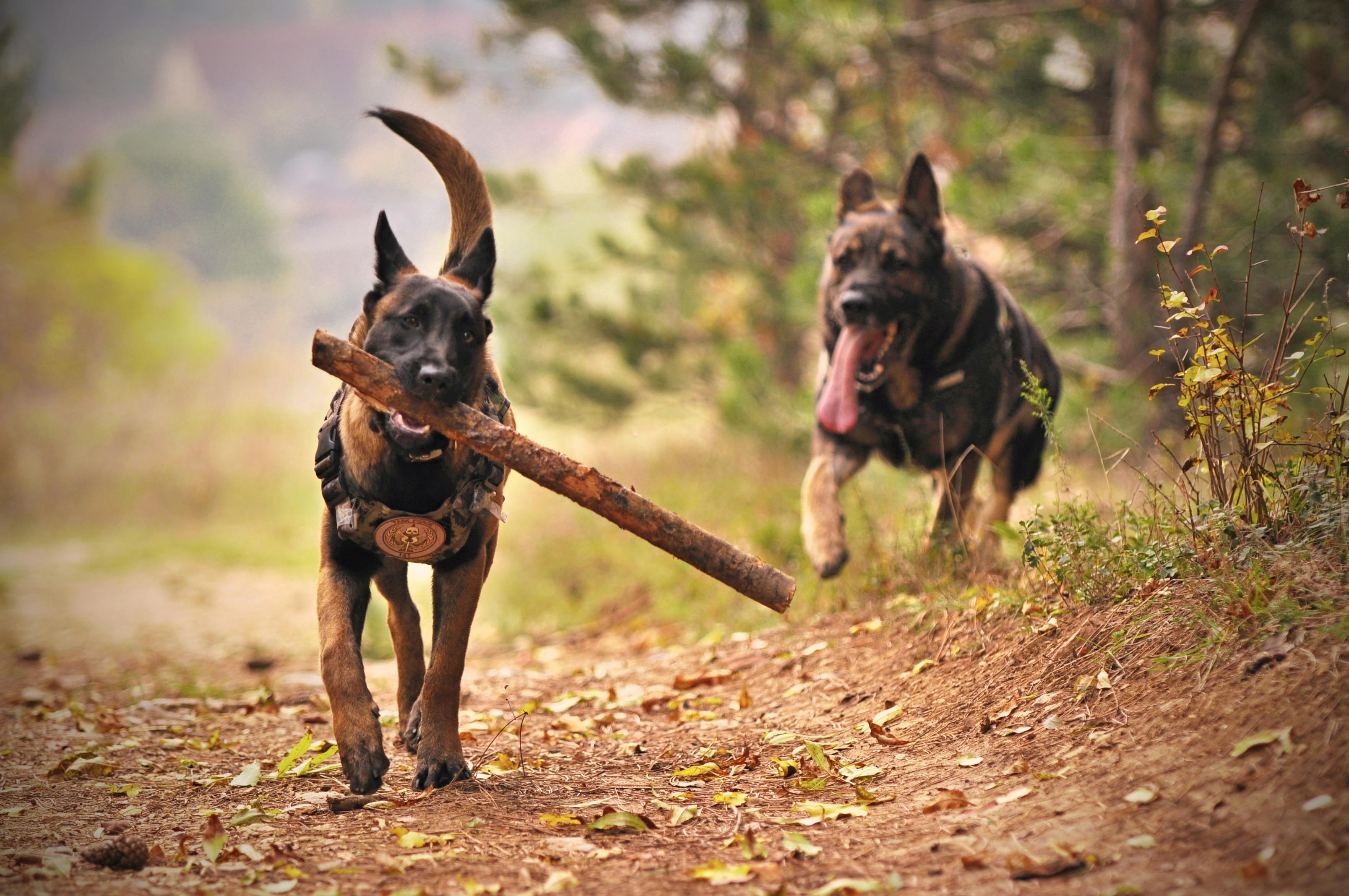
2.1 Actionable Steps
- Build Trust: Spend time bonding with your dog through play, walks, and calm interactions.
- Establish Commands: Start with basic commands like “sit,” “stay,” and “come” using treats or toys as rewards.
- Set a Schedule: Train consistently for 10–15 minutes twice a day. Dogs thrive on routine.
2.2 Overcoming Challenges
Even experienced dog owners face obstacles. Here are common training barriers:
- Inconsistent reinforcement: Confusing signals delay learning.
- Lack of motivation: Some dogs respond better to toys than treats.
- Environmental distractions: Training in busy areas can overwhelm dogs.
- Negative associations: Past trauma may trigger undesirable behavior.
To troubleshoot, observe your dog’s reactions, adjust your approach, and celebrate small wins. Training isn’t linear—it requires flexibility and empathy.
Advanced Applications
Once your dog masters the basics, advanced techniques can strengthen the bond and open up new capabilities. These applications are ideal for service dogs, working breeds, or owners seeking deeper engagement.

3.1 Clicker Training and Targeting
Clicker training pairs a sound with a reward, enabling precise behavior marking. It’s widely used in agility training and canine sports. For instance, dogs can learn to touch a target, perform tricks, or navigate complex courses using clickers and hand signals.
3.2 Integrating Smart Tech
Today’s dog owners use apps, GPS trackers, and interactive toys to support training. Devices like smart collars can help monitor behavior and provide feedback loops for correction and reward.
Compatibility with breed type, lifestyle, and goals should guide the selection of training tech.
Future Outlook
Canine training is evolving alongside technology and psychology. Innovations like AI-driven training bots and behavior analytics are on the rise. Research is increasingly focused on emotional intelligence in dogs and how it shapes learning.
Within the next 3–5 years, we’ll likely see more personalized training plans powered by data. To stay ahead, pet owners should remain curious and informed about new training tools and science-backed strategies.
Conclusion
In summary, yes—all dogs can be trained, but the approach must be tailored. Key takeaways include the importance of understanding breed-specific traits, applying consistent reinforcement, and embracing modern methods.
If you’re ready to strengthen your bond with your dog, start with the basics and progress gradually. Training is not just possible—it’s transformative. Take the first step today and enjoy a well-behaved, happy canine companion.
Frequently Asked Questions
- Q: Can really all dogs be trained? Yes, all dogs can be trained to some extent, though methods and timelines may vary by breed, age, and temperament.
- Q: How do I start training my dog? Begin with trust-building, basic commands, and short daily sessions using positive reinforcement.
- Q: How long does it take to train a dog? Basic obedience can take 2–6 weeks, while advanced skills may take months. Progress depends on consistency and the dog’s responsiveness.
- Q: Is training expensive? Costs vary. Group classes range from $100–$300, private sessions $50–$150/hour, and DIY methods can be cost-effective if consistent.
- Q: How does training compare to using a dog behaviorist? Trainers teach skills, while behaviorists address psychological issues. Combining both can be ideal for complex cases.
- Q: Is dog training hard for beginners? It can be challenging at first, but with patience, most owners succeed using step-by-step guidance and support.
- Q: Can service dogs be trained from any breed? While certain breeds are preferred for service roles, nearly any healthy dog with the right temperament can be trained for assistance tasks.